Texture compression ? What for ?
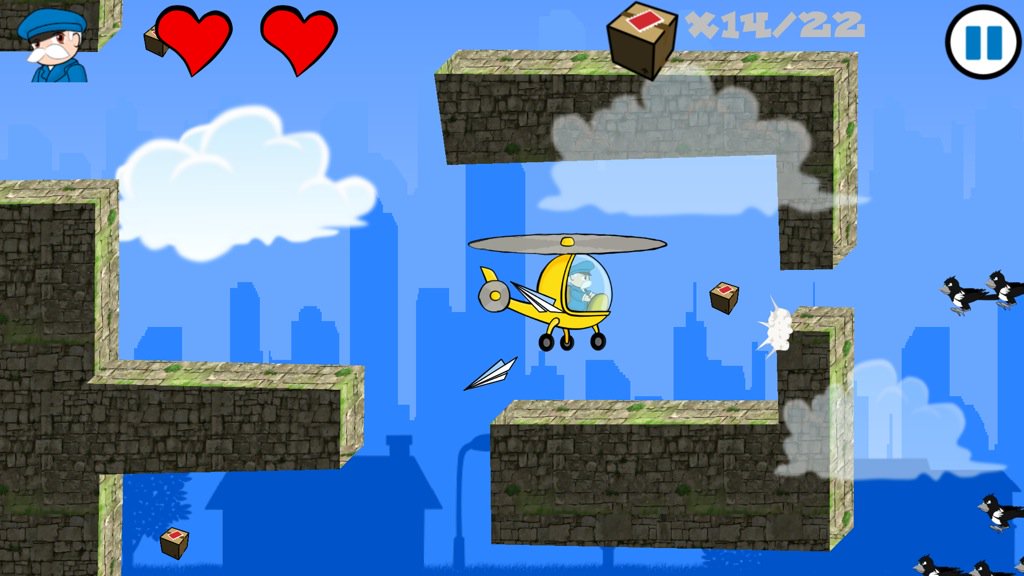
I recently observed that PapyStampy was fillrate limited on some Android Devices (e.g. on Asus Transformer). I therefore decided to implement Texture compression in order to improve the performances.
On Android devices several compressions are available, depending on the devices.
- Ericsson Texture Compression (ETC)
- ATI texture compression (ATITC)
- PowerVR Texture Compression (PVRTC)
- S3/DX Texture Compression (S3TC/DXTC)
I early decided to skip ETC texture compression as alpha channels are not supported. I also decided to encapsulate the compressed textures in DDS files. As a matter of fact DDS file format has several advantages:
- On the contrary of raw textures, it is possible to get the texture resolution and several other properties.
- It is possible to have several mipmap levels
How to compress the textures ?
I used several command-line softwares in order to compress the textures:
- The compressonator : an AMD tool that allows to make several texture compressions
- ImageMagick : a tool that allows to make several image editions
- PvrTexTool: a tool to compress textures in the PVR formats
I created the following Python script in order to automate the texture compression in PapyStampy. This script creates DDS files with suffixed filenames telling the compression used (e.g mytexture.png.atitc.dds). When the application tries to load a texture, it looks for a compressed version of the same texture by appending the suffix to the texture filename.
1 2 3 4 5 6 7 8 9 10 11 12 13 14 15 16 17 18 19 20 21 22 23 24 25 26 27 28 29 30 31 32 33 34 35 36 37 38 39 40 41 42 43 44 45 46 47 48 49 50 51 52 53 54 55 56 57 58 59 60 61 62 63 64 65 66 67 68 69 70 71 72 73 74 | import os # Path where the source textures are located g_sourceDirectory = os.path.join(os.curdir , "assets", "levelBuilder", "textures") g_destDirectory = os.path.join(os.curdir , "test") # List of supported extensions g_supportedExtensions = ["png", "jpg"] g_ImageMagikPath = "D:\\Dev\\tools\\ImageMagick-6.8.9-7\\convert.exe" g_CompressonatorPath = "TheCompressonator.exe" g_PvrTexToolPath = "C:\Imagination\PowerVR\GraphicsSDK\PVRTexTool\CLI\Windows_x86_32\PVRTexToolCLI.exe" g_codec_ATIC = "ATICompressor.dll" g_codec_S3TC = "dxtc.dll" g_fourCC_S3TC = "DXT3" g_fourCC_ATIC = "ATCA" # "ATI2N" g_fourCC_PVRTC= "PVRTC1_4" def FlipImage(filepathSrc, filepathDst): cmd = "%s \"%s\" -flip -alpha on -channel RGBA PNG32:\"%s\"" %(g_ImageMagikPath, filepathSrc, filepathDst) #print cmd os.system(cmd) def ConvertWithCompressonator(filepathSrc, filepathDst, fourCC, codec): cmd = "%s -convert \"%s\" \"%s\" -codec %s +fourCC %s" %(g_CompressonatorPath, filepathSrc, filepathDst, codec, fourCC) #print cmd os.system(cmd) def ConvertWithPvrTexTool(filepathSrc, filepathDst, format): # -flip y cmd = "%s -f %s -i \"%s\" -q pvrtcbest -o \"%s\"" %(g_PvrTexToolPath, format, filepathSrc, filepathDst) #print cmd os.system(cmd) def ProcessFileS3TC(filepath, filename, extension, flippedImagePath): # Flip the image if flippedImagePath == None: flippedImagePath = os.path.join(g_destDirectory , "tmp.%s" %extension) FlipImage(filepath, flippedImagePath) # Encode finalImage = os.path.join(g_destDirectory , "%s.s3tc.dds" %filename) ConvertWithCompressonator(flippedImagePath, finalImage, g_fourCC_S3TC, g_codec_S3TC) def ProcessFileATITC(filepath, filename, extension, flippedImagePath): # Flip the image if flippedImagePath == None: flippedImagePath = os.path.join(g_destDirectory , "tmp.%s" %extension) FlipImage(filepath, flippedImagePath) # Encode finalImage = os.path.join(g_destDirectory , "%s.atitc.dds" %filename) ConvertWithCompressonator(flippedImagePath, finalImage, g_fourCC_ATIC, g_codec_ATIC) def ProcessFilePVRTC(filepath, filename, extension): # Encode finalImage = os.path.join(g_destDirectory , "%s.pvrtc.dds" %filename) ConvertWithPvrTexTool(filepath, finalImage, g_fourCC_PVRTC) def ProcessFiles(dir, extension): # Process all the files of the directory for file in os.listdir(dir): if file.lower().endswith(".%s" %extension): filepath = os.path.join(dir, file) # Compute the flipped image as it will be reused flippedImagePath = os.path.join(g_destDirectory , "tmp.%s" %extension) FlipImage(filepath, flippedImagePath) # Process for S3TC ProcessFileS3TC(filepath, file, extension, flippedImagePath) # Process for ATITC ProcessFileATITC(filepath, file, extension, flippedImagePath) # Process PVR ProcessFilePVRTC(filepath, file, extension) ProcessFiles(g_sourceDirectory, "png") |
This script was written for my configuration and will need to be updated depending on your OS and depending on the location of your binaries/source textures/…
How to load compressed textures in Android?
As explained earlier, the compressed textures are encapsulated in DDS file. This link gives some details on the format.
The following sample code shows how a compressed texture can be loaded from the input stream of a DDS file.
1 2 3 4 5 6 7 8 9 10 11 12 13 14 15 16 17 18 19 20 21 22 23 24 25 26 27 28 29 30 31 32 33 34 35 36 37 38 39 40 41 42 43 44 45 46 47 48 49 50 51 52 53 54 55 56 57 58 59 60 61 62 63 64 65 66 67 68 69 70 71 72 73 74 75 76 77 78 79 80 81 82 83 84 85 86 87 88 89 90 91 92 93 94 95 96 97 98 99 100 101 102 103 104 105 106 107 108 109 110 111 112 113 114 115 116 117 118 119 120 121 122 123 124 125 126 127 128 129 130 131 132 133 134 135 136 137 138 139 140 141 142 143 144 145 146 147 148 149 150 151 152 153 154 155 156 157 158 159 160 161 162 163 164 165 166 167 168 169 170 171 172 173 174 175 176 177 178 179 180 181 182 183 184 185 186 187 188 189 190 191 192 193 194 195 196 | public class TextureCompressionLoadingSample { // DDS fourCC public static final int FOURCC_DXT1 = 0x31545844; public static final int FOURCC_DXT3 = 0x33545844; public static final int FOURCC_DXT5 = 0x35545844; public static final int FOURCC_ATI2 = 0x32495441; public static final int FOURCC_PTC4 = 0x34435450; public static final int FOURCC_ATCA = 0x41435441; // S3TC internal formats // http://www.khronos.org/registry/gles/extensions/NV/NV_texture_compression_s3tc.txt public static final int GL_COMPRESSED_RGB_S3TC_DXT1_EXT = 0x83F0; public static final int GL_COMPRESSED_RGBA_S3TC_DXT1_EXT = 0x83F1; public static final int GL_COMPRESSED_RGBA_S3TC_DXT3_EXT = 0x83F2; public static final int GL_COMPRESSED_RGBA_S3TC_DXT5_EXT = 0x83F3; // ATITC internal formats // http://www.khronos.org/registry/gles/extensions/AMD/AMD_compressed_ATC_texture.txt public static final int ATC_RGB_AMD = 0x8C92; public static final int ATC_RGBA_EXPLICIT_ALPHA_AMD = 0x8C93; public static final int ATC_RGBA_INTERPOLATED_ALPHA_AMD = 0x87EE; // PVRTC internal formats // http://www.khronos.org/registry/gles/extensions/IMG/IMG_texture_compression_pvrtc.txt public static final int COMPRESSED_RGB_PVRTC_4BPPV1_IMG = 0x8C00; public static final int COMPRESSED_RGB_PVRTC_2BPPV1_IMG = 0x8C01; public static final int COMPRESSED_RGBA_PVRTC_4BPPV1_IMG = 0x8C02; public static final int COMPRESSED_RGBA_PVRTC_2BPPV1_IMG = 0x8C03; // Texture ID int m_textureID = -1; // Tmp buffer byte m_tmpBuffer[] = new byte[124]; public boolean createCompressedTextureFromDDS(GL10 gl, InputStream is) { boolean res = true; try { // Read the file type if (is.read(m_tmpBuffer, 0, 4) != 4) { Log.e("TEXTURECOMPRESSION", "TEXTURECOMPRESSION: DDS file too short for file type"); is.close(); return false; } // Check file type if (m_tmpBuffer[0] != 'D' || m_tmpBuffer[1] != 'D' || m_tmpBuffer[2] != 'S' || m_tmpBuffer[3] != ' ') { Log.e("TEXTURECOMPRESSION", "TEXTURECOMPRESSION: Wrong DDS file type"); is.close(); return false; } // Read the surface desc if (is.read(m_tmpBuffer, 0, 124) != 124) { Log.e("TEXTURECOMPRESSION", "TEXTURECOMPRESSION: DDS file too short for surface desc"); is.close(); return false; } ByteBuffer wrapped = ByteBuffer.wrap(m_tmpBuffer); // big-endian by default wrapped.order(ByteOrder.LITTLE_ENDIAN); int height = wrapped.getInt(8 ); int width = wrapped.getInt(12 ); int linearSize = wrapped.getInt(16 ); int mipMapCount = wrapped.getInt(24 ); int fourCC = wrapped.getInt(80 ); Log.e("TEXTURECOMPRESSION", "TEXTURECOMPRESSION: DDS file width=" + width + " height=" + height+ " fourCC=" + fourCC ); // Guess the internal format thanks to the FourCC int components = (fourCC == FOURCC_DXT1) ? 3 : 4; int format; switch(fourCC) { case FOURCC_DXT1: format = GL_COMPRESSED_RGBA_S3TC_DXT1_EXT; break; case FOURCC_DXT3: format = GL_COMPRESSED_RGBA_S3TC_DXT3_EXT; break; case FOURCC_DXT5: format = GL_COMPRESSED_RGBA_S3TC_DXT5_EXT; break; case FOURCC_ATCA: format = ATC_RGBA_EXPLICIT_ALPHA_AMD; break; case FOURCC_PTC4: format = COMPRESSED_RGBA_PVRTC_4BPPV1_IMG; break; default: Log.e("TEXTURECOMPRESSION", "TEXTURECOMPRESSION: Unsupported FourCC type"); is.close(); return false; } // create the new texture int[] tex_out = new int[1]; gl.glGenTextures(1, tex_out, 0); m_textureID = tex_out[0]; gl.glBindTexture(GL10.GL_TEXTURE_2D, m_textureID); gl.glTexParameterf(GL10.GL_TEXTURE_2D, GL10.GL_TEXTURE_WRAP_S, m_textureWrapS); gl.glTexParameterf(GL10.GL_TEXTURE_2D, GL10.GL_TEXTURE_WRAP_T, m_textureWrapT); gl.glTexEnvf(GL10.GL_TEXTURE_ENV, GL10.GL_TEXTURE_ENV_MODE, GL10.GL_MODULATE); try { if (m_textureFiltering == TextureFiltering.TextureFilteringNearest) { gl.glTexParameterf(GL10.GL_TEXTURE_2D, GL10.GL_TEXTURE_MIN_FILTER, GL10.GL_NEAREST); gl.glTexParameterf(GL10.GL_TEXTURE_2D, GL10.GL_TEXTURE_MAG_FILTER, GL10.GL_NEAREST); glTexImage2D(GL10.GL_TEXTURE_2D, 0, m_bitmap, 0, gl); } else if (m_textureFiltering == TextureFiltering.TextureFilteringLinear) { gl.glTexParameterf(GL10.GL_TEXTURE_2D, GL10.GL_TEXTURE_MIN_FILTER, GL10.GL_LINEAR); gl.glTexParameterf(GL10.GL_TEXTURE_2D, GL10.GL_TEXTURE_MAG_FILTER, GL10.GL_LINEAR); } else if (m_textureFiltering == TextureFiltering.TextureFilteringMipMap) { gl.glTexParameterf(GL10.GL_TEXTURE_2D, GL10.GL_TEXTURE_MIN_FILTER, GL10.GL_LINEAR_MIPMAP_LINEAR); // GL_LINEAR_MIPMAP_NEAREST gl.glTexParameterf(GL10.GL_TEXTURE_2D, GL10.GL_TEXTURE_MAG_FILTER, GL10.GL_LINEAR); } } catch(Exception e) { Log.e("LoadBitmap", "Texture Load Error: ", e); m_textureID = -1; UnloadBitmap(); return false; } // The block-size is 8 bytes for DXT1, BC1, and BC4 formats, and 16 bytes for // other block-compressed formats. // ATI1N (BC4/DXT5A), ATI2N (BC5/3Dc) // http://msdn.microsoft.com/en-us/library/windows/desktop/bb943991%28v=vs.85%29.aspx int blockSize = (format == GL_COMPRESSED_RGBA_S3TC_DXT1_EXT) ? 8 : 16; int offset = 0; /* load the mipmaps */ for (int level = 0; level < mipMapCount && width > 0 && height > 0; ++level) { // COmpute the size of the mimmap level texture // http://msdn.microsoft.com/en-us/library/windows/desktop/bb943991%28v=vs.85%29.aspx int size = ((width+3)/4)*((height+3)/4)*blockSize; // Can be optimized by making a single allocation byte tmpBuffer2[] = null; tmpBuffer2 = new byte[size]; if (is.read(tmpBuffer2, 0, size) != size) { Log.e("TEXTURECOMPRESSION", "TEXTURECOMPRESSION: DDS file too short for texture data"); is.close(); return false; } // Create the texture level gl.glCompressedTexImage2D(GL11.GL_TEXTURE_2D, level, format, width, height, 0, size, ByteBuffer.wrap( tmpBuffer2)); offset += size; width /= 2; height /= 2; } is.close(); Log.i("TEXTURECOMPRESSION", "TEXTURECOMPRESSION Success !!!"); return true; } catch (Exception e) { Log.e("TEXTURECOMPRESSION", "TEXTURECOMPRESSION: Failed to parse DDS file", e); return false; } } } |
The internal formats of each compressed format can be found on the khronos website. The fourCC can be simply found by editing your DDS files with an Hexadecimal editor.
Impact on performances
I measured the impact on the performances at a location where the framerate used to drop and I obtained the following results.
| Transformer | Xperia L | OUYA | |||||||
| High RGB32 | Medium DTX | Low RGB 565 | High RGB32 | Medium ATI | Low RGB 565 | High RGB32 | Medium DTX | Low RGB 565 | |
| Framerate | 20,5 | 29,8 | 34 | 40,5 | 46 | 44 | 34 | 40 | 50 |
These results show that texture compression clearly improve the performances. We can also see that loading textures without compression but in RGB565 gives the best framerates.
Conclusion
As a conclusion, Texture compression improves the performances but can have an impact on the texture quality. It is the same with the alternative of using textures in RGB565 format.
As a result, you should select carefully which textures should be compressed and which textures should remain in RGB32.